

In partnership with

Kickstart 2026 with the ultimate Intranet Buyer’s Handbook

Choosing the right intranet can transform how your organization communicates, collaborates, and shares knowledge.
Download Haystack’s 2026 Intranet Buyer’s Handbook to confidently compare platforms, identify must-have features, and avoid costly mistakes.
When you’re ready to see our modern solution in action, explore how Haystack connects employees to the news, tools, and knowledge they need to thrive.
You’ll also discover how the platform drives engagement, retention, and productivity across your workforce here: Industry leading engagement begins here.
Start 2026 with a smarter strategy—and build a workplace employees actually love.
Good Credit Could Save You $200,000 Over Time

Better credit means better rates on mortgages, cars, and more. Cheers Credit Builder is an affordable, AI-powered way to start — no score or hard check required. We report to all three bureaus fast. Many users see 20+ point increases in months. Cancel anytime with no penalties or hidden fees.
Welcome to the Another Update
Artificial intelligence is reshaping how we search, work, and interact — but the latest major update to Google’s Gemini AI is raising some serious alarm bells across the tech and security world.
Recent research has uncovered a high-severity security flaw in Google Chrome’s integration of Gemini Live, the in-browser AI assistant that’s part of Google’s push to make AI ubiquitous in everyday tools.
Before the latest patches were applied, this vulnerability (CVE-2026-0628) could have allowed seemingly harmless browser extensions to escalate privileges and access things they should never see, including your camera, microphone, local files, and even take screenshots of secure content without permission.
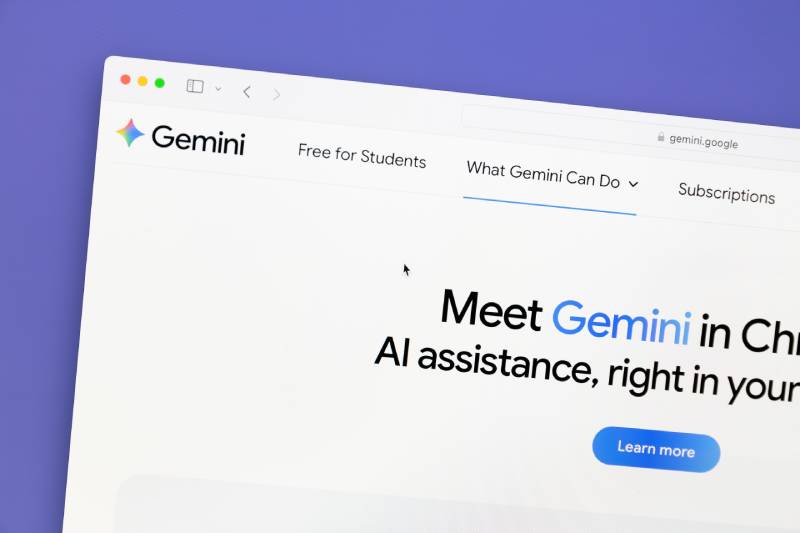

What makes this especially concerning isn’t just a single bug — it’s the broader trend of Agentic AI systems being deeply embedded into everyday software and workflows, which inadvertently expands the attack surface for malicious actors.
Integrating such a powerful assistant directly into a browser gives it rich access to user context — and that’s great for productivity, but also for exploitation.
Here are a few key risks being discussed by researchers and defenders:
🔓 Malicious extension attacks – Bugs in the integration layer allowed basic extensions to hijack Gemini’s privileged interface.
🕵️ Privacy invasion vectors – Access to webcams or microphones without explicit consent was possible before patches.
📁 Local file and screenshot access – The flaw could be abused to spy on local files or browser activity.
📈 Expanding attack surfaces – AI assistants embedded in tools like Chrome aren’t just chatbots anymore — they have real power within your system.
👉 Read more here:
🛡 What You Can Do Right Now
Until these kinds of integrations become more mature and securely engineered, experts recommend:
Updating Chrome immediately whenever patches are released.
Carefully auditing installed extensions — remove any AI-related extensions you don’t recognize.
Avoid relying solely on AI assistants for sensitive tasks or personal data.
While AI holds enormous promise, the integration of models like Gemini into core software isn’t risk-free — and as recent events show, those risks can affect privacy and security in very direct ways if not properly contained.
Use this workflow:
Input → Categorize → Expand → Draft → Schedule
Start with a prompt bank → Get Started Now
📣 Want to Promote Your AI Tool?
1. Reach over 200000+ AI enthusiasts every week.
2. RAM Of AI has helped launch over 1000+ AI startups & tools.
3. Want to be next?
That’s a Wrap
How was today’s edition of ramofai?
❤️ Loved it
💛 It was okay
❌ Didn’t enjoy
Reply with feedback or ideas you'd like covered next!
